Gershom ObwoyaBack to his story
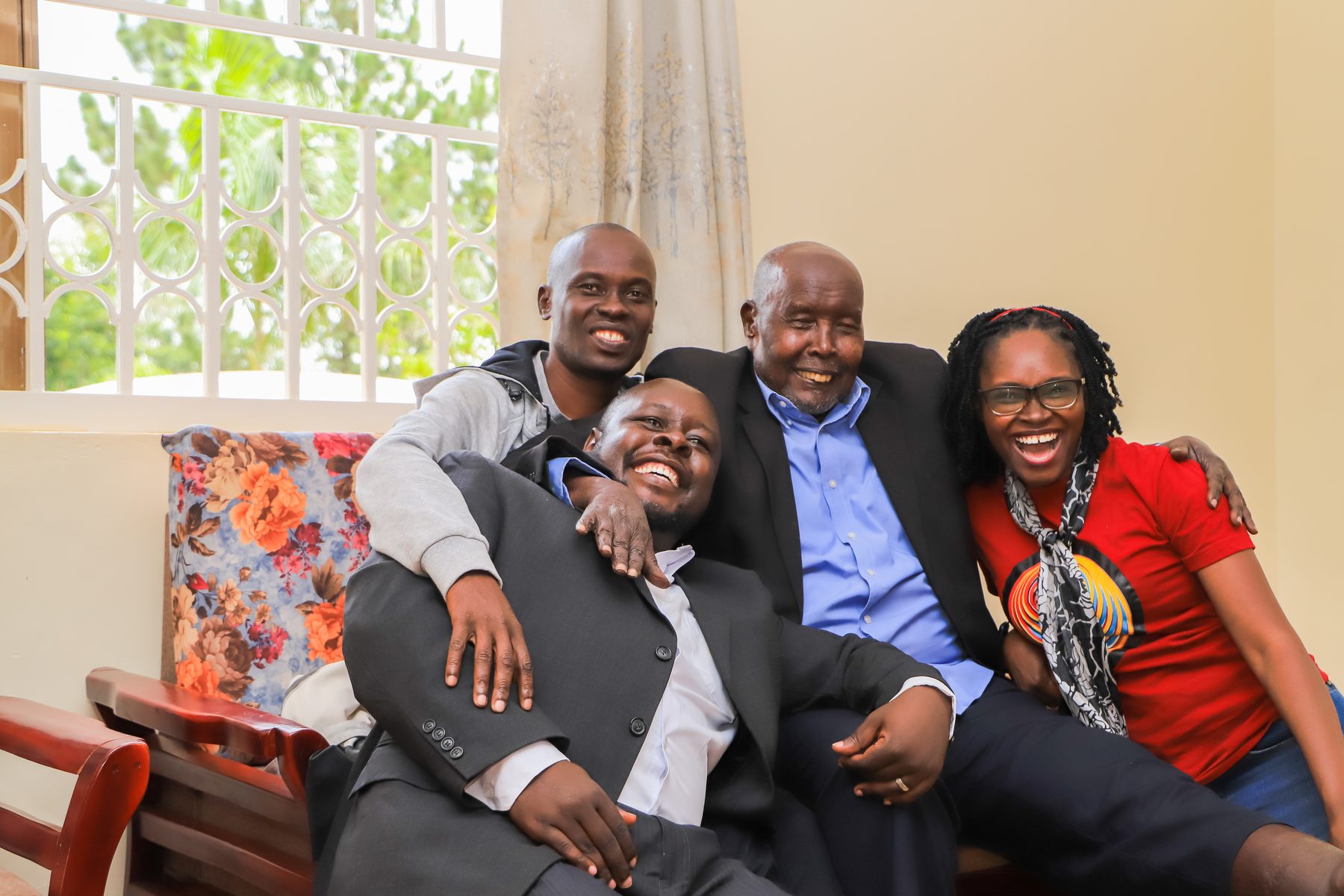
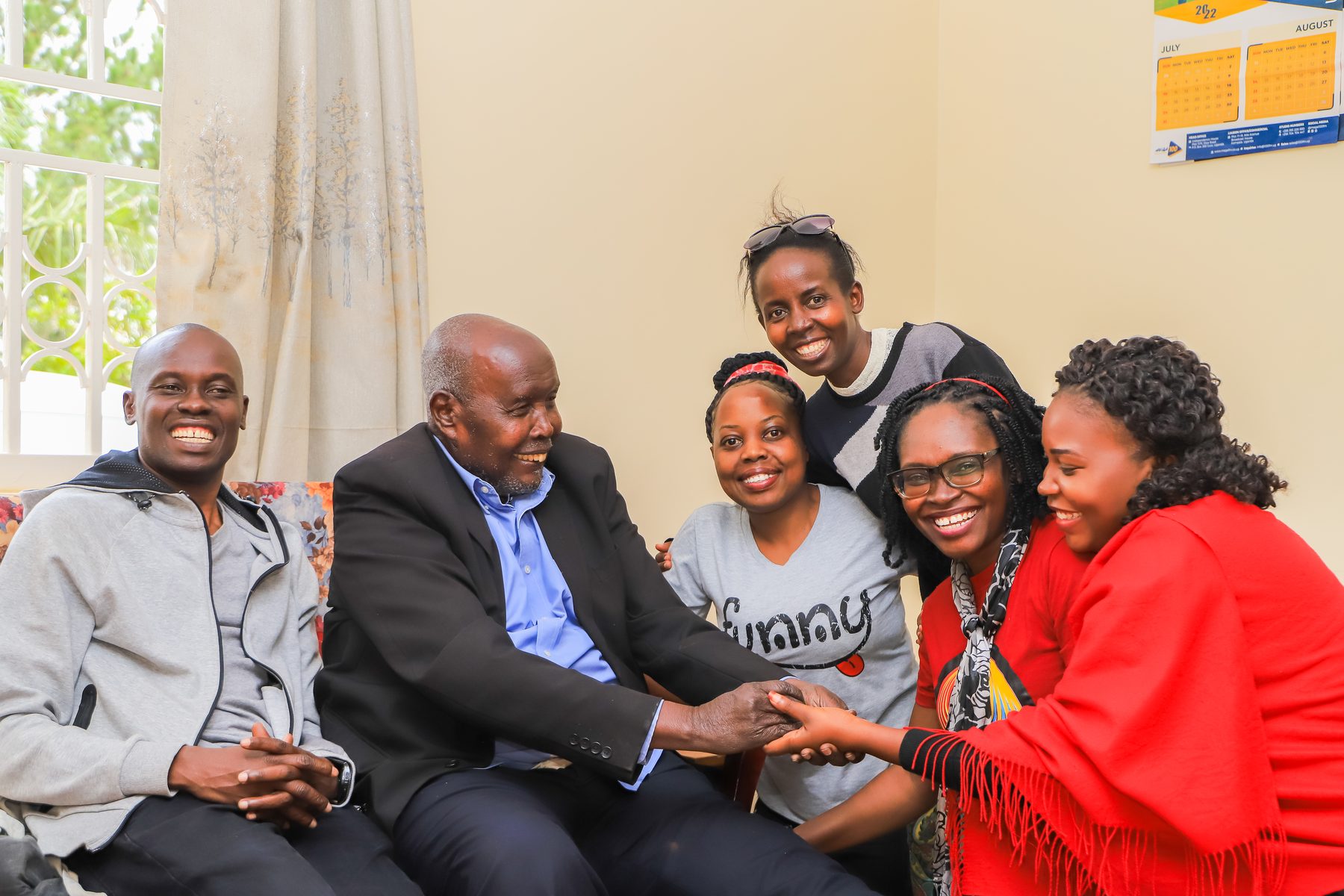
Baba surrounded by family
The legacy · children and grandchildren

The Bridge
Built in the Dark

A tribute to our parents, and to the man whose life makes their courage possible.

1917 — 2026 · THE FAMILY HE BUILT
The generations

He is not only our grandfather. He is the bridge.

Sitting under the afternoon shade in Pajule, watching the calm sweep across the homestead in Pader District, a quiet reflection takes hold.

We watch our parents — now gently navigating their late sixties and seventies — as they sit back and observe us. They look at our wives, our brothers, our sisters, and our cousins, all of us moving through our thirties, forties, and fifties. We pack our bags, check our tyres, and prepare to fire up our engines to drive across the country in the deep of the night.

It makes a person pause and wonder: Did they ever imagine they would live to see this day?

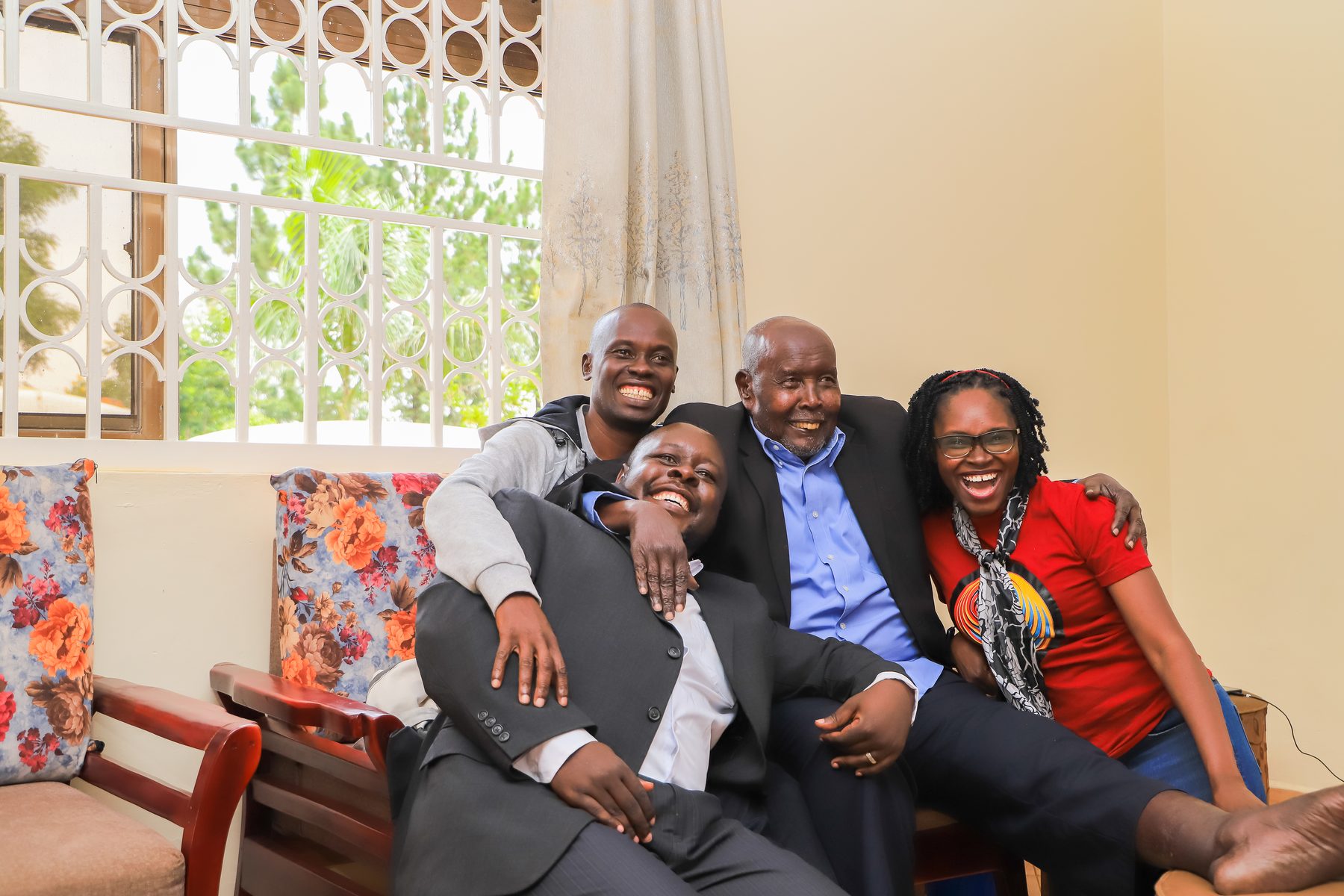
Baba laughing with younger family members
01 · What they survive

The night means something else now.

From 1971 to 1990, Uganda does not know peace. For those in the North, that shadow stretches even longer, through the brutal, agonising conflict of the LRA until peace finally takes root around 2007. For nearly four decades, our parents live in a state of unending siege.

There is a time when nightfall does not mean a quiet highway run or a cool engine breathing dense air. Nightfall means vigilance, fear, and holding children tightly against the floorboards. Survival is measured in hours, not in decades.

Our mothers are overbearing because they have to be. Their fierce, protective nature is love wrapped in self-preservation — a desperate, unyielding determination to shield their bloodline from a harsh world.

They hold the perimeter so tightly because the world outside the compound offers no guarantees. They count the children. They listen for movement. They learn to read danger before danger has a name.

And yet they keep raising us. They keep feeding us, correcting us, praying over us, and sending us toward a future they have never been allowed to take for granted.
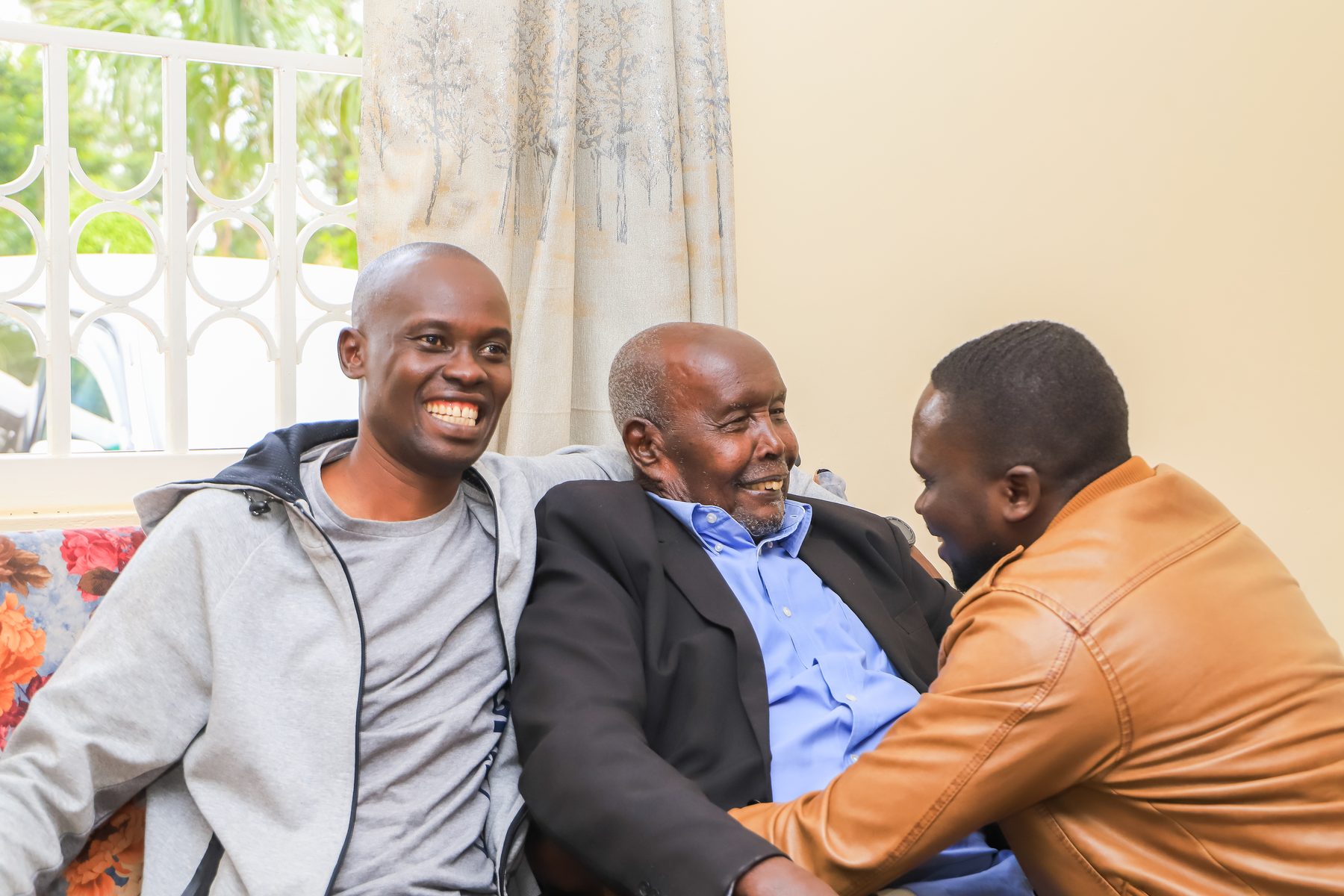
Baba smiling among family members
02 · What they make

Yet look at what their grip produces.

Out of that anxiety grows a generation of boundary breakers. They raise us through the storm, and as the dust clears, we scatter into the world not just to survive, but to master it.

We become the sons and daughters who drive forty-five cars down the long, dusty transit corridors from Mombasa to Kampala. We become pilots who take to the skies, engineers on oil rigs, travellers through the deep forests of the Congo, and pioneers building data networks and infrastructure.

We become doctors healing our communities, pharmacists dispensing life-saving care, and reverends offering spiritual grounding. We become chefs creating comfort, music producers and talent managers shaping the sound and culture of a new nation.

Then we become fathers, mothers, uncles, and aunts. We build stable homes where our own children never have to hear the sound of a gun. We take the resilience forged in our parents' sacrifices and extend it far beyond the horizons they were ever permitted to explore.

Their bridge holds.
Baba with several generations of family
03 · The handover

We are becoming the guardians.

When our parents watch us load our families into our vehicles and prepare to head into the dark, a profound shift takes place in their eyes.

There is still the lingering fear of an old instinct, because to them the night will always hold the ghost of memory. They know what it means to wait for someone who has gone into the dark. They know what silence can hide.

But beneath that fear sits an immense, quiet victory. They realise that the long, terrifying watch is over. The bridge they build with their sweat, tears, and prayers holds firm. They carry us across an abyss so that we can walk freely into a world of mobility, independence, and peace.

As the tail lights fade toward the main road and the dust settles over the compound, our parents hand over the torch. They are no longer the sole guardians standing against the night. We are. We are becoming the elders, the protectors, and the providers.

Baba sharing a close family moment
04 · Baba watching

He stays long enough to see it.

Our parents have lost a parent. We have lost our grandpa. But Baba has never been a distant figure in our lives, a name kept for family history or brought out only when the elders speak. He has been present.

We do not think first about how long he lives. We think about how long we have the privilege of being watched by him. We watch him watch us. We watch his eyes follow our children as they grow taller than us, run faster than us, and outswim us at competitions.

He notices the things we think nobody notices. The new height. The new confidence. The way one child now carries a younger child. The way a grandchild who once needed his hand now walks into the room with a whole family of their own.

He is not only watching a family expand. He is watching his decisions become people. He is watching the life he protected become the life that protects others.

05 · The family tree

The family tree keeps widening.

He lives long enough to see his grandchildren become parents. He lives long enough to see his great-grandchildren grow into children with voices, opinions, mischief, and futures of their own. Some of his great-grandchildren now have children of their own.

That kind of time changes the meaning of family. A child he first knows as a small voice becomes a mother or father. A grandchild who once runs through the compound becomes the person driving home with children asleep in the back seat. The faces change, but the thread remains.

Baba stands at the meeting point of all those generations. He is the person who makes the family feel like one long sentence instead of separate chapters. The family tree does not end at him. It keeps widening.

06 · What remains

We miss the witness.

We miss the quiet man in the room who has seen the beginning of so many of us. We miss the way his presence makes our own lives feel connected to something older, steadier, and much bigger than any one of us.

We miss being able to bring a new achievement to him. We miss the look that says he has understood more than we have said. We miss the ordinary miracle of finding him still there, still watching, still part of the afternoon.

Baba is gone from the room, but the bridge is still carrying us.